January 19, 2026
A strong and dependable roof plays a key role in protecting your home from the elements, regulating temperature, and keeping your property looking its best. Even so, roofs experience wear over time, and many issues tend to develop before homeowners notice anything is wrong. The good news is that recognizing the early signs can help you stay ahead of major repairs and keep your home secure and comfortable.
Small roofing issues rarely stay small for long, which is why early detection is so important. Being aware of the warning signs allows you to act quickly and prevent costly structural damage. Whether your home is newer or has been around for decades, learning what to look for can help you make informed decisions about maintenance, repairs, and when to call on professional roofing services.
1. Identifying Signs of Shingle Damage
Damaged shingles are one of the most common roofing problems homeowners encounter. Shingles can crack, curl, buckle, or become loose as they age or face harsh weather conditions. When shingles deteriorate, your roof becomes more vulnerable to leaks and structural issues. This is why regularly checking your shingles is one of the simplest ways to protect your home.
One of the easiest signs to spot is inconsistent color or texture. If certain areas of your roof look darker, smoother, or rougher than others, this could indicate shingle wear or granule loss. Over time, granules naturally shed, but sudden or uneven loss can signal that your shingles are approaching the end of their lifespan.
You should also look for shingles that appear lifted or curled at the edges. These issues often occur due to extreme heat, improper installation, or moisture exposure. Curled shingles can allow water to seep underneath, which can lead to mold, decay, and interior staining. Addressing these problems promptly through roofing services will save you from expensive repairs in the future.
If you suspect shingle damage, it is wise to reach out to a professional who can perform a detailed inspection. Many homeowners rely on professional roofers to confirm the problem and recommend the best solution, whether that means repair or replacement.
2. Recognizing Early Signs of Roof Leaks
A leak often starts small, making it difficult to detect until visible damage appears inside the home. A leak may begin as a subtle drip behind the walls or a small opening in the attic, but over time, moisture can spread and weaken the structure. Learning the early signs of roof leaks is essential if you want to stop the problem before it grows.
One of the first indicators of a leak is discoloration on your ceilings or walls. Yellow or brown spots often mean water has traveled from the roof into your living space. Sometimes the area may feel damp to the touch, and in more advanced cases, the paint may bubble or peel. These visual clues rarely improve on their own, so quick action is necessary.
Another warning sign is musty or stale odors inside certain rooms. If moisture becomes trapped in walls, insulation, or ceilings, it can create unpleasant smells. These odors can come and go depending on the weather, which often leads homeowners to ignore them. However, persistent moisture can contribute to mold growth and structural deterioration.
Because leaks can be difficult to pinpoint, many homeowners turn to roofing services to track the source and make repairs. According to This Old House, your roof should be professionally inspected once every 12 months at a minimum. These inspections help catch leaks early and ensure your roof continues to protect your home effectively.
3. Spotting Ventilation and Moisture Imbalances
Proper roof ventilation plays an important role in maintaining a healthy home. Without enough airflow, heat and moisture can build up in the attic, creating an environment that leads to mold, mildew, and premature roof deterioration. Recognizing ventilation problems early can help you avoid major issues down the line.
One of the easiest symptoms to notice is excessive heat in your attic during warmer months. While attics are typically warm, extreme temperatures often signal that air is not escaping the way it should. Poor ventilation forces your HVAC system to work harder, which increases energy costs and places strain on your roof materials.
Condensation is another clue that moisture is not being managed correctly. If you notice droplets forming on rafters, insulation, or attic windows, moisture may be getting trapped instead of venting out. Over time, this can weaken wooden structures, cause mold growth, and reduce insulation effectiveness.
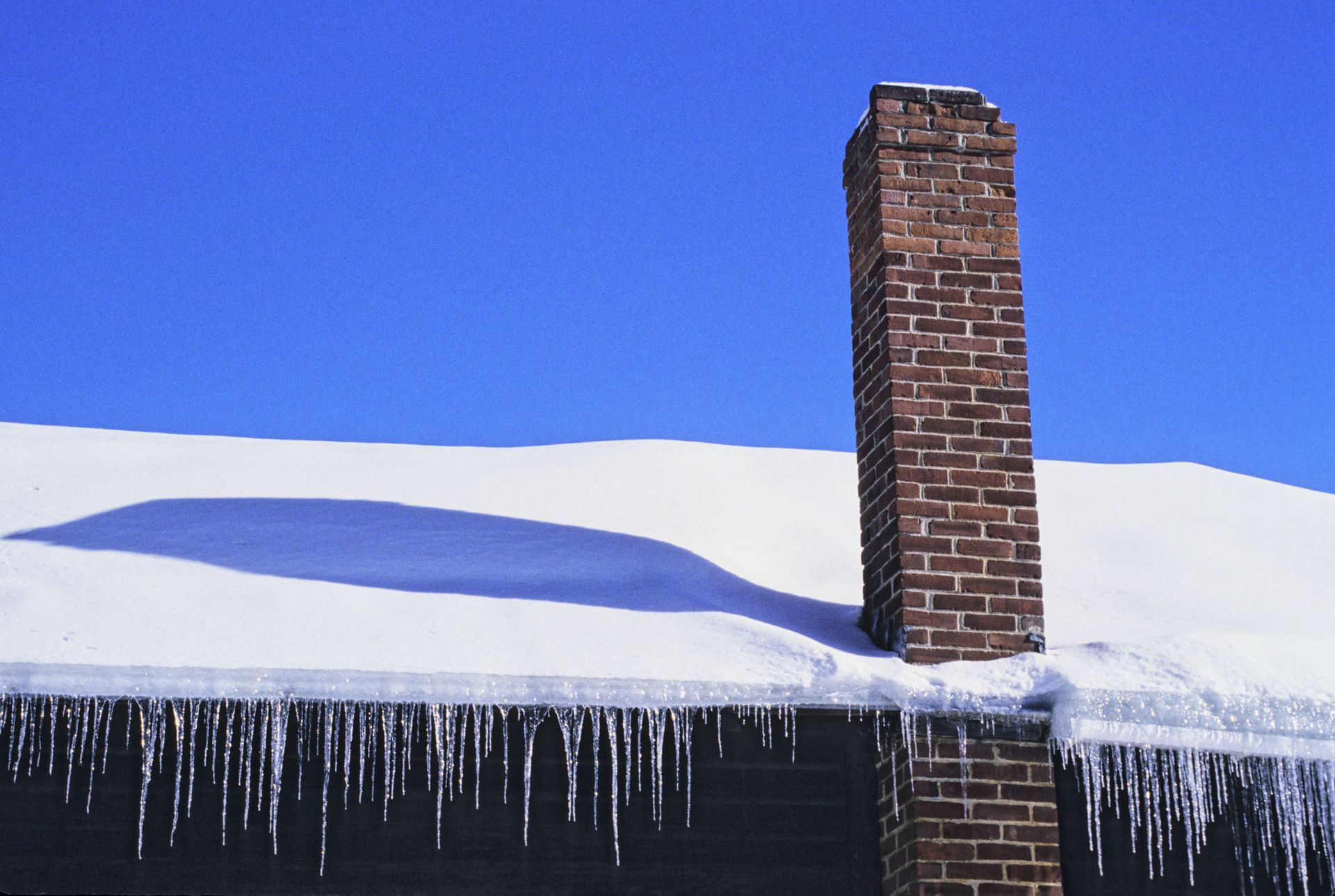
Ice dams in winter are another sign of ventilation problems. When warm air escapes into the attic and heats the roof unevenly, snow melts and refreezes near the edges. This can lead to trapped water that slowly damages the shingles and sheathing. Preventing ice dams is much easier when ventilation is addressed early.
When homeowners suspect ventilation issues, they often rely on professional roofing services to diagnose airflow patterns and recommend corrections. A skilled contractor can help balance your system and protect your roof from serious moisture-related damage.
4. Detecting Gutter and Drainage Problems
Your gutters and downspouts play an important part in directing water away from your home. When they become clogged, damaged, or misaligned, water can pool on the roof or around the foundation. This creates a chain reaction of problems that can harm both your roof and structural integrity. Spotting gutter issues early can prevent major complications later.
One of the earliest signs of a gutter problem is overflowing water during rainfall. Instead of traveling cleanly through the gutters, water spills over the sides or drips from unexpected places. This usually means leaves, twigs, or debris have blocked the normal flow, forcing water to back up.
Another indication is sagging or pulling gutters. If the gutters appear uneven or are detaching from the roofline, they may be full of debris or may have suffered water-related damage. The added weight can strain the brackets and cause water to pool in certain areas, which increases the risk of leaks and rot.
Water pooling near the home’s foundation is another red flag. When downspouts fail to direct water far enough from the house, moisture collects around the exterior. Over time, this can lead to soil erosion, basement leaks, and foundation shifting. Catching this problem early is essential for long-term property stability.
Many homeowners enlist roofing services when gutter issues appear, because these professionals can evaluate both the roof and the drainage system together. This ensures that any existing damage is repaired and future water flow is properly managed.
Maintaining a healthy roof begins with understanding the early warning signs of common problems. From damaged shingles to hidden leaks, ventilation imbalances, and gutter issues, each problem can grow into a costly repair if left unattended. By learning what to look for and paying attention to subtle changes, you can help extend your roof’s lifespan and protect your home for years to come.
Professional support is one of the most effective ways to keep your roof in excellent condition. Many homeowners rely on roofing services to perform thorough inspections, identify overlooked issues, and recommend practical solutions. Staying proactive gives you peace of mind and ensures your home remains safe, comfortable, and protected in every season.
Protect your home before small roofing issues become costly problems. Contact White & Sons Roofing Inc today for reliable roofing services to keep your roof safe, secure, and long-lasting.